
Akala Pamuk | Raw Cotton Supply and Export
About Cotton
The story of cotton
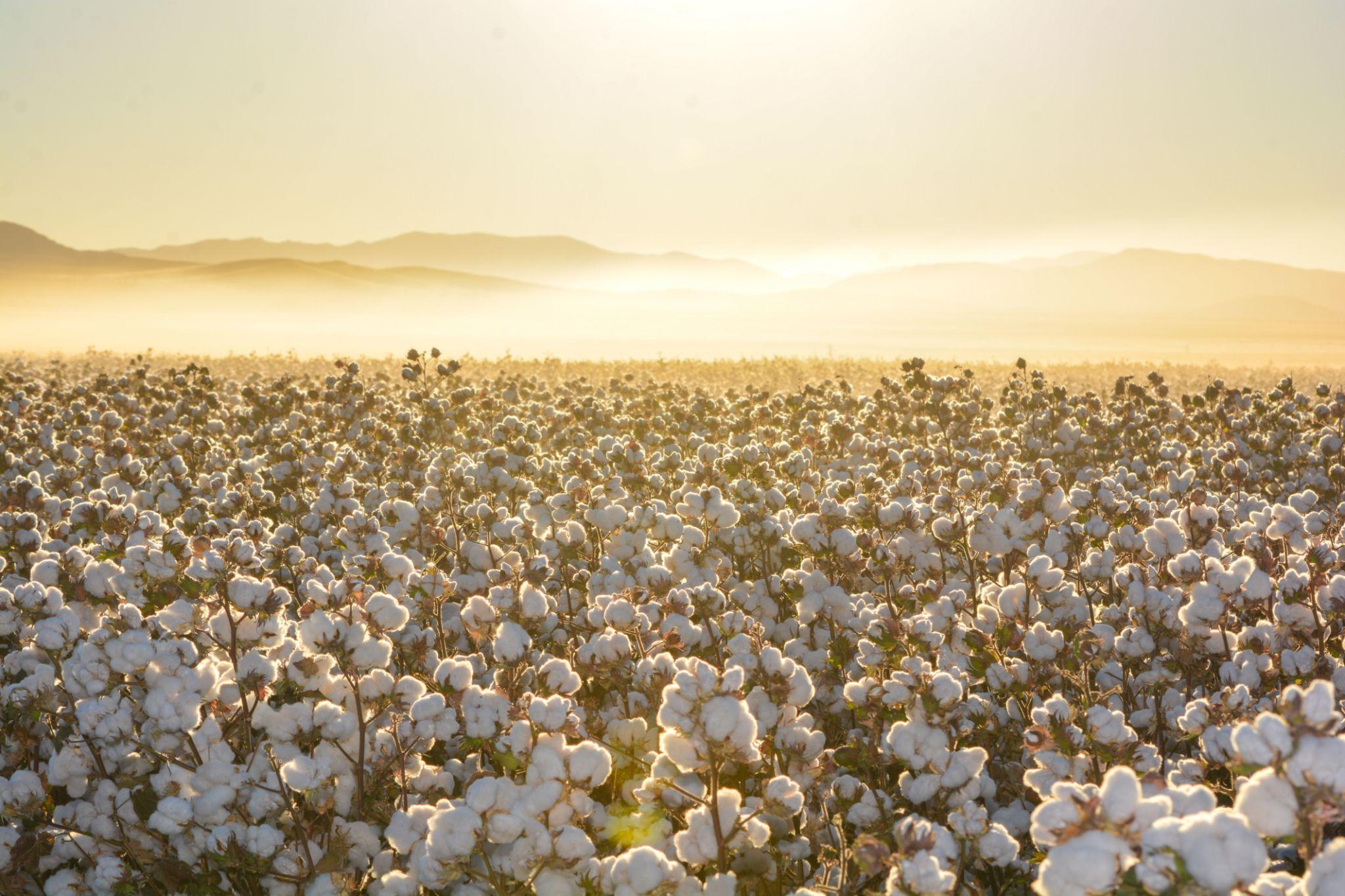
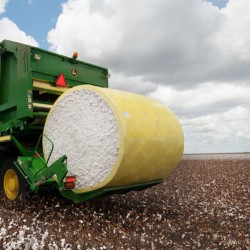
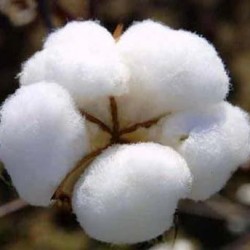
Archaeological evidence shows that different species of cotton were cultivated and used for clothing independently in both India and South America some 6,000 to 7,000 years ago. Cotton reached the Old World from the Harappan civilisation in India, and passed from Mesopotamia to Ancient Egypt. The Arabic name for cotton, qutn (‘al-qutn’), gave English its ‘cotton’ and Spanish its ‘algodón’. The names ‘pambuk’ and ‘bambuk’ used locally by growers in Türkiye probably come from variant pronunciations of the city of Manbij in present-day northern Syria (Hierapolis Bambyce, or Bambyke). Cotton favours alluvial, fertile soils and is sown in deeply ploughed, well-fertilised ground: in February in warm regions and in March-April in cooler ones. It is harvested in August and September. Rain is the greatest hazard for cotton, reducing both yield and quality.
Cotton is produced in many countries today, chiefly the United States, India, China, Brazil, Türkiye, the Central Asian states and West Africa. The plant matures within seven to eight months of sowing, and picking begins according to the climate. Picking is carried out in two ways, by hand and by machine. Hand picking is slow and costly, and it also leads to greater contamination of the cotton. Machine picking gathers larger quantities in less time and at lower cost with less contamination, but machine-picked cotton is more likely to contain immature fibre (dead fibre). In Türkiye cotton is generally picked by hand, although machine picking has also begun in recent years.
After picking, the process of separating the boll and the seed from the fibre of seed cotton using special machinery is called ginning. Its purpose is to make the cotton ready for use in yarn production. Two methods are in widespread use worldwide: roller ginning and saw ginning. In addition, ’Rotobar ginning’ technology has begun to spread in recent years.
With roller ginning, the gin turnout is 1–2% higher and the fibres are 1–2 mm longer. However, if the plant has no seed cotton and lint cleaner in its system, the trash content of the cotton is higher.
With saw ginning, the processed cotton is cleaner in terms of trash and foreign matter, but the fibres are shorter and the moisture content is higher.
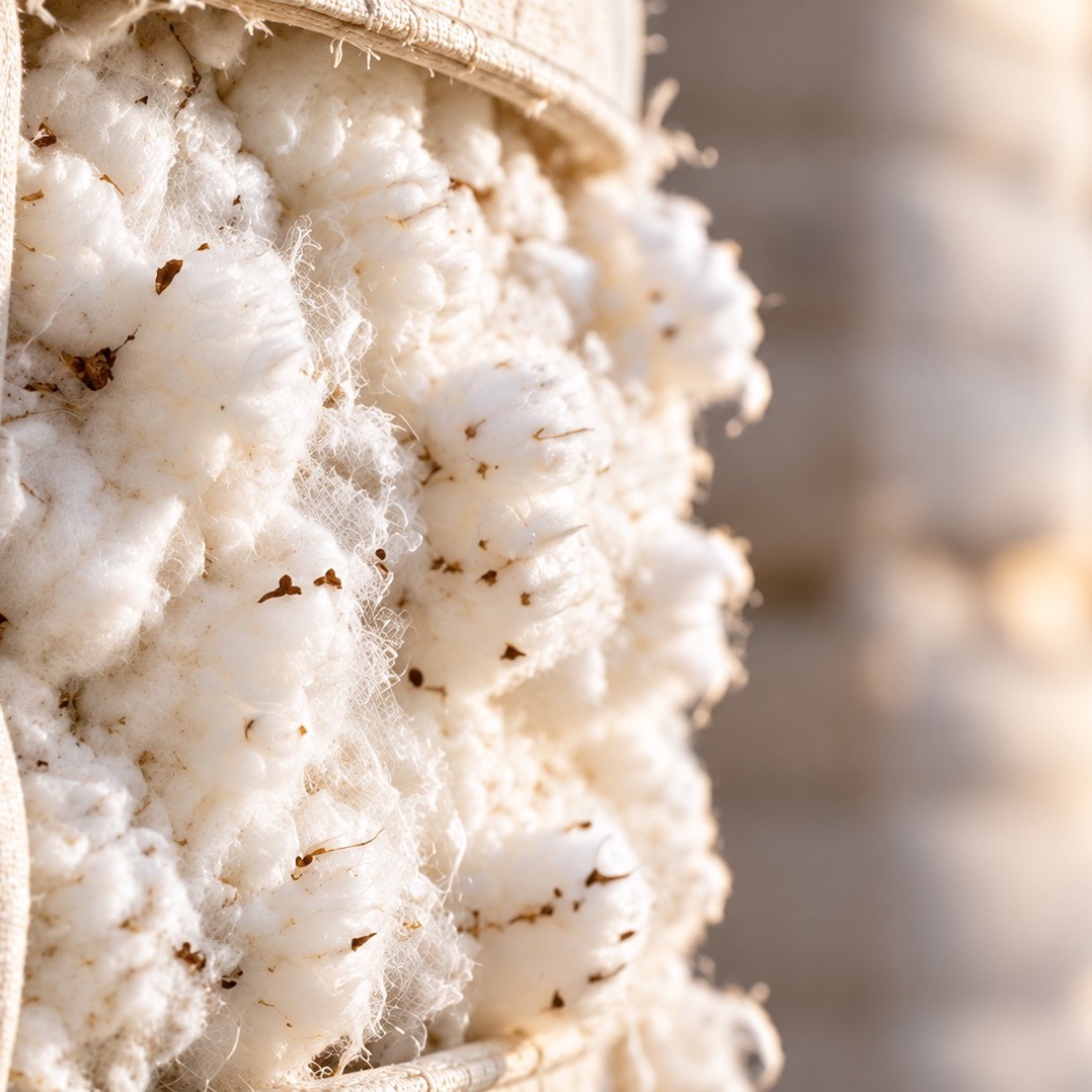
Cotton fibre separated from its boll and seeds by ginning is pressed into bales.
Commercial cotton today can be grouped into four main categories by fibre length.
- SHORT STAPLE: fibres shorter than 24 mm.
- MEDIUM STAPLE: fibres between 24 and 31 mm in length.
- LONG STAPLE: fibres between 31 and 36 mm in length.
- EXTRA LONG STAPLE (ELS): fibres between 36 and 60 mm in length.
A number of factors affect the quality and price of cotton. The most important is fibre length: the longer the fibre, the higher the quality of the yarn and fabric produced.
The other key parameters are:
- Colour
- Trash
- Strength
- Micronaire
- Uniformity
- Neps
and these values likewise determine the quality and price of the cotton.
Cotton yarn can be produced in three different qualities – Open-End, Ring Carded and Ring Combed – and in a range of counts (thicknesses). In brief, the production routes are as follows;
- Open-End yarn: Cotton → Blowroom → Carding machine → First passage drawframe → Second passage drawframe → Rotor spinning machine
- Ring yarn (CARDED): Cotton → Blowroom → Carding machine → First passage drawframe → Second passage drawframe → Roving frame → Ring spinning machine → Winding machine
- Ring yarn (COMBED): Cotton → Blowroom → Carding machine → First passage drawframe → Comber preparation machine → Comber → Second passage drawframe → Roving frame → Ring spinning machine → Winding machine
Ginning
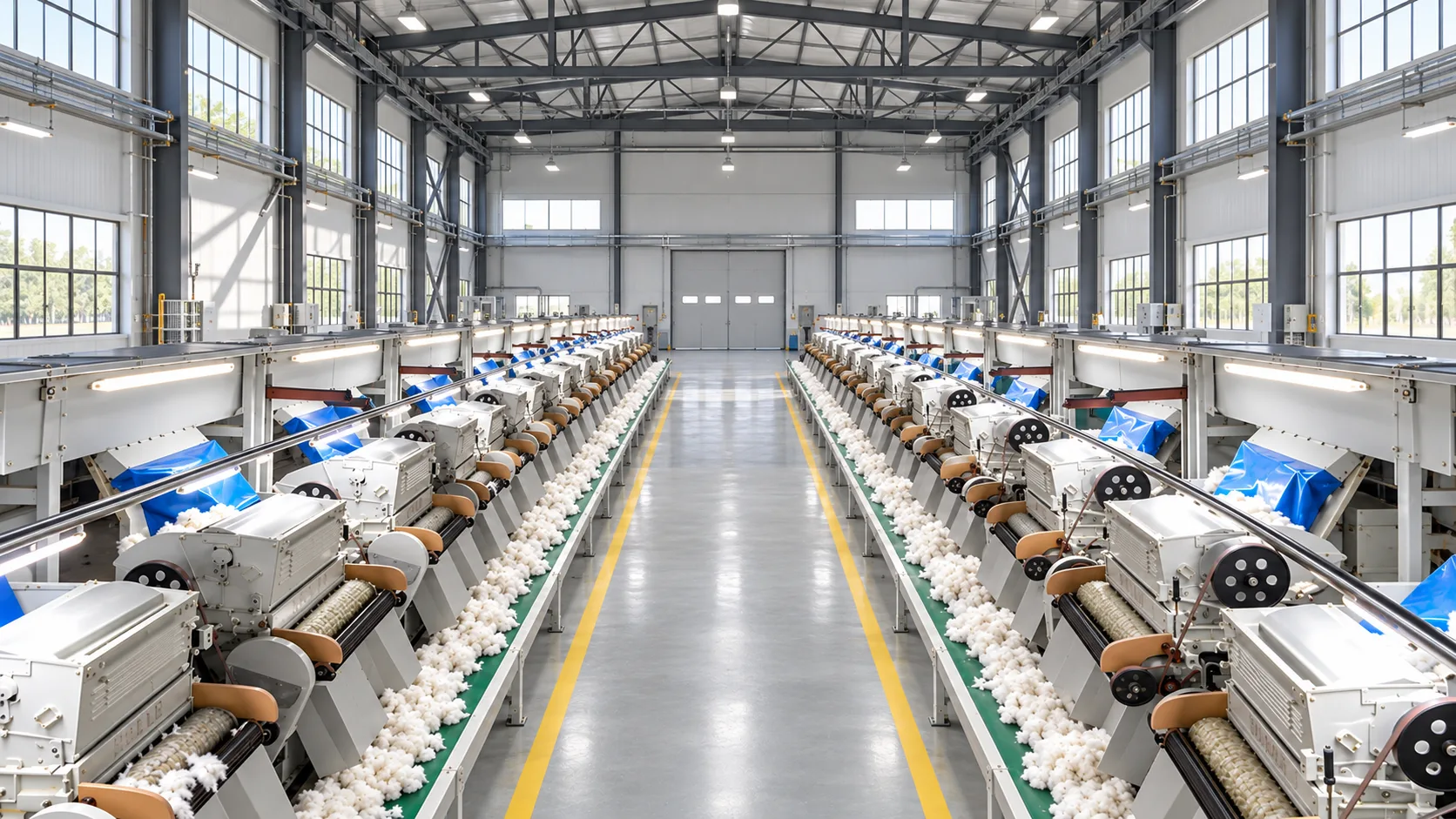
Seed cotton is separated into fibre and seed at the gin.